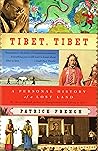
 Tibet, Tibet: A Personal History of a Lost Land by Patrick French
My rating: 5 of 5 stars
While this book is a bit of a travelogue of Patrick French traveling through nearly every corner of Tibet, it really is more of a history of the country. French was the director of the UK organization Free Tibet Campaign. It had been about ten years since French had been to Tibet and decided it was time to return and see what the situation was like first-hand.
French travels extensively throughout Tibet and talks to people of all kinds, various age groups, rankings, in cities or very rural areas. He tries to cover everywhere and everyone it seems like, quick thorough.
For this trip he decided not to go through official channels, as part of a media person or using his office connections. So while the book is factual, he does not reveal anyone’s real name, nor does he use stories that may be too specific to identify someone. While in Tibet, talking to people, he doesn’t want the PSB (Public Security Bureau) to take interest in anyone associated with himself. It’s obvious French is a foreigner.
The stories and history of Tibet are what make this book. It’s quite horrifying to read some of what happens to people, how Mao/Beijing used force to change people from their traditional ways. There several very difficult periods, first being the actual fighting and loss for Tibet. Then quickly after came the Great Leap Forward (started in1959) which resulted in mass starvation, later The Cultural Revolution (beginning late 60s) which in Tibet had in part smashing up monasteries and religious artifacts. Many of the personal stories are from these eras, but not all.
There is much more here, such as the history and relationship of Tibet and China through the centuries. The relationship of the Dalai Lama to the people of Tibet. I found the book very informative. The book is now two decades old, have been many substantive changes since the book was published? Tibet is still not free, not autonomous despite the name of the region. The people are tightly controlled, have been since Mao took over. Good book to understand Tibet.


No comments:
Post a Comment